
LDL, HDL, and the Hidden Cholesterol Dangers in Your Diet: What Every Adult Must Know
Your guide to cholesterol types, testing, healthy levels, and diet — with the latest insights doctors want you to know.
🩺 Introduction: Cholesterol Isn’t Just One Thing
When people hear the word “cholesterol,” they often think of one thing: bad news. But the truth is, cholesterol is more complex than just a number flagged in red on a blood test. There are different types of cholesterol — and some are essential for good health.
Unfortunately, most people don’t know the differences between LDL, HDL, VLDL, and triglycerides, let alone how to interpret their cholesterol ratios or which kitchen habits could be sabotaging their heart health. This guide will change that.
🔬 Cholesterol Types Explained: Not All Are Created Equal
There are several key cholesterol components that your doctor monitors during a lipid profile. Here’s a breakdown:
| Type | Description | Nickname |
|---|
| LDL (Low-Density Lipoprotein) | Delivers cholesterol to cells; excess can build up in arteries | “Bad cholesterol” |
| HDL (High-Density Lipoprotein) | Removes excess cholesterol from the bloodstream | “Good cholesterol” |
| VLDL (Very Low-Density Lipoprotein) | Carries triglycerides; can lead to plaque buildup | Related to triglycerides |
| Non-HDL Cholesterol | Total cholesterol minus HDL; includes LDL and VLDL | Better predictor of risk |
| Triglycerides | Type of fat stored in blood; high levels increase heart risk | Often elevated with carbs |
| Total Cholesterol | Combined value of LDL + HDL + 20% of triglycerides | General indicator |
| Lipoproteins | Protein carriers for cholesterol in the blood | Structural component |
📊 Ideal Cholesterol Levels by Age & Gender
Cholesterol targets can vary by age and sex. Here’s what’s considered healthy for most adults:
| Marker | Ideal Range |
|---|---|
| Total Cholesterol | < 200 mg/dL |
| LDL Cholesterol | < 100 mg/dL (optimal) |
| HDL Cholesterol | > 60 mg/dL (protective) |
| Triglycerides | < 150 mg/dL |
| LDL/HDL Ratio | Below 3.5:1 |
| Triglyceride to HDL Ratio | Below 2:1 |
✅ Women tend to have slightly higher HDL levels than men. Cholesterol should be checked every 4–6 years, or more often with risk factors.
🧪 Testing & Diagnosis: What You Need to Know
To understand your risk, you’ll need a lipid panel or cholesterol blood test, which measures:
- LDL & HDL cholesterol
- Triglycerides
- Total cholesterol
- Cholesterol/HDL ratios
Other options include:
- Lipoprotein(a) test – for hereditary risk
- At-home cholesterol test kits – convenient, but confirm with labs
- Lipid profile vs lipid panel – often used interchangeably
💵 Lipid panel test cost typically ranges from $30 to $100 depending on location and insurance.
💡 Pro Tip: Regular testing is crucial — every 4–6 years for healthy adults, and more frequently if you have risk factors like high blood pressure or diabetes.
🍟 The Hidden Diet Habits Raising Your LDL
Even if you think you’re eating “healthy,” some everyday foods and habits could silently spike your LDL cholesterol:
🔥 5 Common LDL-Offenders:
- Vegetable oils like palm and partially hydrogenated oils
- Fried foods (especially when reusing cooking oil)
- Flavoured yogurts and breakfast bars (loaded with sugar)
- Processed meats (sausage, bacon, deli meats)
- Commercial baked goods (trans fats and preservatives)
❗ Reusing frying oil at home oxidizes fats, making them more harmful to arteries.
👨⚕️ “These foods are consistently proven to increase LDL and inflammation,” says cardiologist Dr. Dean Mills.
🥦 What to Eat for Better Cholesterol Numbers
Instead of cutting all fat, focus on smart fats and fiber-rich foods. Here are some doctor-approved choices:
✅ Best Foods to Boost HDL & Lower LDL
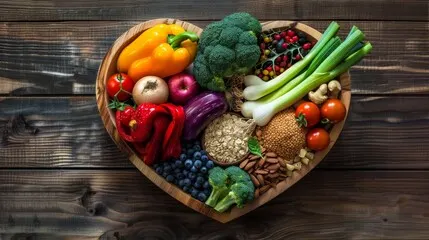
- Oats and barley – soluble fiber binds cholesterol
- Avocados, olive oil, nuts – boost HDL, lower inflammation
- Fatty fish (salmon, sardines) – omega-3s improve lipid ratios
- Beans and legumes – plant-based proteins, fiber-rich
- Plant sterols & stanols – found in fortified spreads and juices, can also block cholesterol absorption.
🧠 Try a weekly “cholesterol-smart meal plan” featuring oatmeal, grilled fish, olive oil dressing, and raw nuts.
🌿 Supplements & Natural Remedies
If your cholesterol remains high despite lifestyle changes, these options can help:
- Red yeast rice – similar to statins; may reduce LDL
- Plant sterols/stanols – block cholesterol absorption
- Omega-3 supplements – reduce triglycerides
- Niacin (B3) – can raise HDL but use cautiously
- CholestOff – over-the-counter sterol supplement
⚠️ Red yeast rice may have side effects similar to statins; consult a doctor before use. Always consult a doctor before starting supplements, especially if you’re taking other medications.
🧘♂️ Lifestyle Changes That Lower Cholesterol Naturally
You don’t always need meds. Here are proven lifestyle habits that support healthier cholesterol:
Eat more soluble fiber
Exercise regularly (150 minutes per week)
Quit smoking
Limit alcohol
Lose weight (if overweight)
Stay consistent with your habits
💡 Consistency is more important than perfection when it comes to cholesterol control.
Related Posts:
🧠 Final Takeaway
Cholesterol is more than just a number. It’s a complex system of fats and proteins that can either protect or harm your heart — depending on how you manage it.
By understanding your cholesterol types, testing regularly, and adjusting your diet and lifestyle, you can take control of your heart health and stay ahead of disease.
❓FAQs
Q1: What’s the difference between LDL and HDL cholesterol?
LDL delivers cholesterol to cells but builds up in arteries. HDL removes excess cholesterol from the bloodstream, protecting your heart.
Q2: What’s considered a healthy LDL level?
Under 100 mg/dL is optimal. Under 70 is ideal for people with heart disease or diabetes.
Q3: Can I lower LDL cholesterol naturally?
Yes. Diet changes, weight loss, exercise, and certain supplements can reduce LDL by 10–30% in many cases.
Q4: Is cholesterol really linked to heart disease?
Yes. High LDL and low HDL are consistently associated with atherosclerosis and cardiovascular events.
Q5: What’s a good triglyceride-to-HDL ratio?
A ratio below 2 is best. Higher ratios may signal insulin resistance or increased heart risk.
Q6: Are at-home cholesterol tests accurate?
They’re helpful for screening, but lab-based tests are more accurate and detailed.
Q5: What is a healthy cholesterol ratio?
A healthy LDL:HDL ratio is below 3.5:1, and a triglyceride:HDL ratio should be under 2:1.






Downloaded the zt9398app recently and it’s surprisingly well-made. The app runs smoothly on my phone, and it makes betting on the go super convenient. If you’re looking for a mobile option, try zt9398app.
Checked out u8888bet. Looks pretty legit. Wide selection of casino games to choose from. Worth a look if you’re in the mood for some gambling. u8888bet
Just trying to 8857login to my account… hope I remember my password! Anyone else having trouble? lol. 8857login
Bbrbet444, four is my lucky number! Hope it brings me some good fortune here. Let’s go BBR! Check them out: bbrbet444
SP666h … now that’s a name! I saw it around, looks safe for a spin. A bit weird, and not my regular cup of tea, but interesting nonetheless! If weird is your thing, check out sp666h!
Helo88Discount? Alright I’m intrigued. Gotta love a discount code while I’m playing. Worth checking out? You can see about helo88discount. Good luck!
With a name like iwinfortune, how can I not be curious? Fortune is what I’m hoping for. Let someone get my fortune at the iwinfortune.
Downloaded lucky102apk the other day and it’s been keeping me entertained. Good way to pass the time while waiting for the bus, surprisingly. See what all the hype is about on lucky102apk!
Played 92galaxygame yesterday. It’s not too bad. Could be fun for a light session. Give 92galaxygame a try, maybe you’ll get hooked.
Just logged into 82betlogin. Seems easy enough to use on mobile, something I need. You should check out 82betlogin.