

The Collagen Revolution: Why’s Everyone Talking About It
In 2025, collagen is no longer just a buzzword—it’s a billion-dollar obsession. From smoothie powders to skincare gummies, collagen has become the darling of wellness influencers and supplement companies alike. But behind the glossy marketing is a serious question: Does it actually work?
Collagen is often called the body’s scaffolding protein. It accounts for nearly 30% of the total protein in our bodies, acting as the glue that holds our skin, bones, joints, and organs together. But as interest—and hype—has skyrocketed, so has the confusion.
The Big Questions:
- Can collagen supplements really slow down aging?
- Are there side effects or hidden risks?
- What does real science say about it?
Let’s break it all down.
Collagen Basics: What It Is and Why It Declines
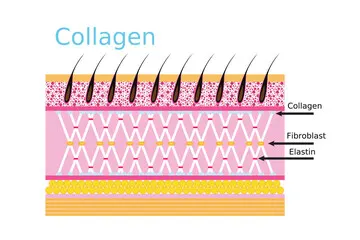
What Exactly Is Collagen?
At a molecular level, collagen is a triple-helix protein made primarily of glycine, proline, and hydroxyproline. It requires vitamin C, zinc, and copper to be synthesized effectively—meaning your diet plays a huge role.
Scientists have identified 28+ types of collagen, but the ones that matter most are:
- Type I – found in skin, bones, and tendons
- Type II – found in cartilage
- Type III – found in organs and muscles
Collagen Loss: The Silent Decline
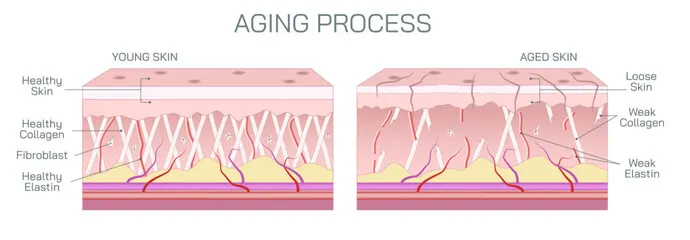
By your mid-20s, your body starts losing collagen at a rate of about 1.5% per year. That loss speeds up dramatically after menopause, and is worsened by:
- UV radiation
- Smoking
- Excess sugar
The results? Wrinkles, sagging skin, joint stiffness, and brittle nails. No wonder so many people are turning to supplements.
Collagen Sources: What Works Best?
Natural Dietary Sources
You don’t need a supplement to boost collagen. Start in your kitchen:
- Bone broth
- Fish skin
- Chicken cartilage
- Egg whites
Plant-based alternatives don’t contain collagen per se but help your body make it. Think:
- Vitamin C: Citrus fruits, bell peppers
- Zinc & Copper: Seeds, nuts, legumes
For vegans, focus on vitamin C-rich foods like citrus fruits, bell peppers, and broccoli to help your body produce its own collagen.
Supplements: What You Should Know
Collagen supplements come in various forms:
- Hydrolyzed peptides (most common)
- Powders
- Capsules
- Gummies
Hydrolyzed collagen is broken down for easier absorption—but absorption doesn’t guarantee targeted results.
Marine collagen (from fish skin) is often more sustainable and bioavailable than bovine collagen (from cow hides). But beware:
- No FDA regulation = inconsistent quality
- Some products contain heavy metals or harmful additives
Vegan Collagen?
Yes, it exists—sort of. Scientists are using precision fermentation using yeast and bacteria to create lab-grown, animal-free collagen. Still new, but promising.
Risks to Watch:
- Heavy metals in some animal-based products
- No FDA regulation on supplements
- False labeling and poor quality control
Related Article:
What Science Actually Supports
What’s Proven:
- Skin: Clinical studies show 7–28% improvement in hydration and elasticity after consistent collagen peptide use for 8+ weeks.
- Joints: Athletes using collagen reported up to 43% less joint pain.
- Bones: Some evidence shows increased bone density in postmenopausal women supplementing with collagen and calcium.
What’s Still Hype:
- Hair growth: Limited and inconsistent evidence.
- Targeted effects: Collagen doesn’t “go” to your skin—it’s broken into amino acids and used wherever the body needs it.
- Quick fixes: Collagen is a long-term game, not an overnight miracle.
When Collagen Backfires: Risks and Side Effects
Common Complaints:
- Digestive upset (bloating, diarrhea)
- Skin flare-ups (acne, rashes) from additives or overuse
Red Flags
- Kidney strain: High-protein loads can stress kidneys, especially in those with preexisting issues
- Contamination: Non-certified supplements can contain lead, arsenic, and other toxins
Who Should Be Cautious?
Avoid collagen supplements if you have:
- Kidney disease
- Gout
- Severe allergies to beef, fish, or eggs
Always read labels—and when in doubt, consult your doctor.
Note: Pregnant or breastfeeding women should consult a doctor first.
The Future of Collagen: 2025 Trends
Personalized Collagen
Expect more custom blends based on age, gender, or health needs. Think collagen paired with:
- Probiotics
- Vitamin D
- Menopause-specific botanicals
Ethical & Sustainable Sourcing
Brands are shifting to marine collagen (from fish) for its higher absorption and lower environmental impact. Bonus points for recyclable packaging and carbon-neutral shipping.
Tech-Powered Innovation
2025 is the year of bioengineered collagen:
- Vegan collagen from yeast or bacteria
- High-bioavailability products (90–95% absorption vs. 30–40% in older formulas)
This could transform the supplement game—and finally deliver what the ads promise.
Smart Collagen Strategies: How to Actually See Results
- Dosage: Stick to 2.5–10g/day, based on your goals (skin vs. joints vs. bone health).
- Synergy: Always take collagen with vitamin C, zinc, and copper to boost absorption
- Lifestyle Boosters:
- Wear sunscreen: UV rays destroy collagen fibers
- Quit smoking: accelerates breakdown
- Cut excess sugar: which damages collagen through glycation
- Stay hydrated & eat clean proteins
Note: Consult doctor before diving into the ocean.
Mythbusting: What Collagen Doesn’t Do
Myth #1: Collagen creams work miracles
→ Collagen molecules are too large to penetrate skin. Focus on ingredients that boost collagen production, like retinoids and peptides.
Myth #2: More is better
→ Too much collagen can cause bloating or imbalances. Stick to clinically recommended dosages.
Myth #3: Everyone needs supplements
→ If you eat a balanced diet, especially one rich in protein and micronutrients, you may not need additional collagen.
FAQs: Collagen Confusion, Solved
Q: Can collagen reverse wrinkles?
A: It can improve skin hydration and elasticity, but deep wrinkles won’t vanish.
Q: Is marine collagen better than bovine?
A: Marine collagen is more bioavailable and often more sustainable, but it depends on sourcing and individual tolerability.
Q: Are collagen gummies effective?
A: They’re convenient—but usually lower in dosage and sometimes packed with sugar. Great for convenience, not so much for clinical results.
Key Takeaways and Next Steps
✅ Focus on whole foods, sun protection, and healthy habits before jumping on the supplement bandwagon.
✅ Stay informed—the collagen world is evolving, especially with vegan innovations and personalized blends.
✅ Choose wisely—look for third-party tested, sustainably sourced, and bioavailable products. ✅ Collagen isn’t magic—but it can support skin, joints, and bones when paired with the right habits.
✅ Don’t fall for the hype—check the science and your own needs before jumping on trends.
Bottom Line: Collagen can be a helpful tool—but only when backed by smart choices, real science, and realistic expectations.






Playtime Casino online is pretty decent for a quick game when you’re stuck inside. Wish they had more live dealer options though. What are your favorite online games there? Link’s right here: playtimecasinoonline
Alright, so I checked out Max88vn based on a friend’s recommendation. Pretty solid platform, honestly. Easy to navigate, and they seem to have a good selection of games. No complaints so far! Check them out here: max88vn
Just started using 321betapp, and so far I’m digging it. The app is well-designed and easy to navigate. Definitely worth checking out. See more at 321betapp if you want a solid experience!
Had a bit of trouble at first getting into bet100login, but now I’m sorted. Betting options cover a wide range of sports; they also offer some great promos. For a smooth login and access to betting: bet100login