
The Hidden Link Between Your Tap Water and Sinking Cities: What Every American Needs to Know
The Silent Crisis Beneath Our Cities
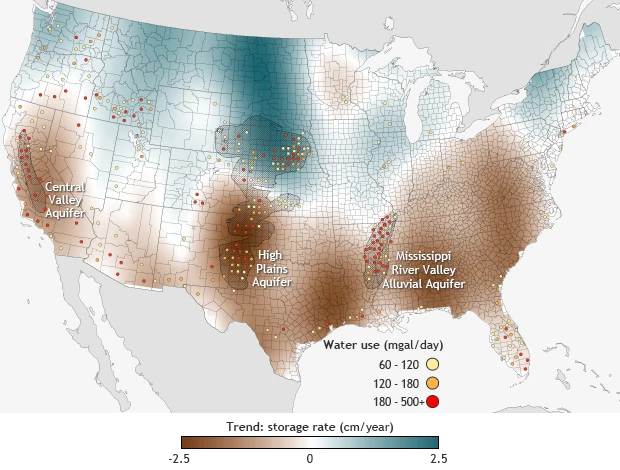
Houston is sinking faster than any other U.S. city—nearly half an inch per year in some areas. But this isn’t just a Texas problem. From New York to Phoenix, 34 million Americans live in cities where the ground is collapsing due to a hidden culprit: groundwater pumping .
This blog uncovers the invisible connection between your tap water and sinking cities. We’ll explore how overusing groundwater is destabilizing urban foundations, why infrastructure is at risk, and what you can do to help.
The Science of Sinking: How Groundwater Pumping Works
Key Concept: Aquifers act like underground sponges. When we pump water faster than rain can refill them, the ground compacts, causing irreversible subsidence.

- The Water Balloon Effect: Imagine squeezing water from a balloon—the deflated space collapses. Similarly, extracting groundwater leaves voids that collapse under the weight of cities.
Here’s what happens when we pump too much:
- Water is pumped from deep underground aquifers to meet city and agricultural needs.
- As the aquifer empties, it leaves air pockets where water used to be.
- The overlying soil and rock collapse into that space—causing the land above to sink, a phenomenon called subsidence.
- Irreversible Damage: Once soil compresses, aquifers can’t fully recharge. Phoenix sank 18 feet between the 1950s–1990s due to over-pumping, leaving permanent scars.
- Climate Change Multiplier: Droughts force cities to rely more on groundwater. In Texas, scorching summers and population booms have turned Houston into the fastest-sinking city.
Case Studies: Cities Sinking Due to Water Use
Houston, Texas: The Poster Child of Subsidence
- Rate: Up to 10 mm/year in hotspots. In some areas, the ground has sunk more than 10 feet since the 1920s.
- Causes: Oil/gas extraction + unchecked urban sprawl. Foundation repair is a booming business here.
- Costs: $8 billion LaGuardia Airport renovation in NYC is already threatened by subsidence.
Phoenix, Arizona: A Desert City’s Reckoning
- Legacy of Overuse: Sank 18 feet before Arizona’s 1980 Groundwater Management Act.
- Modern Risks: Despite progress, suburbs still sink as developers tap aquifers.
New York City: Skyscrapers Pressuring the Ground
- Weight of Progress: The city’s 1.68 trillion pounds of buildings compress soft soils.
- Hotspots: LaGuardia Airport sinks 5 mm/year, raising flood risks.
Dallas–Fort Worth, TX
This metroplex is also showing alarming signs. Land is sinking about 1.5 cm per year, largely due to suburban water demand, industrial use, and landscaping needs—like those lush green lawns in the scorching Texas heat.
Columbus, OH
Surprisingly, even inland cities like Columbus are reporting early-stage subsidence, linked to localized groundwater overuse. As urban sprawl reaches deeper into surrounding lands, more wells are drilled and the cycle repeats.
The Ripple Effect: How Sinking Cities Impact You
This isn’t just a geologist’s nightmare. Sinking cities cost you—in ways you’ll feel close to home.
🔧 Homeowners
Cracks in your foundation? That might not be bad luck. Subsidence can lead to tilting buildings, flooded basements, and declining property values. Insurers are taking note—and premiums are rising in high-risk zones.
💸 Taxpayers
When roads buckle and water pipes snap due to uneven ground, you pay. Houston alone has spent hundreds of millions on subsidence-related infrastructure repair in the past decade.
🌊 Public Safety
As land sinks, drainage systems are disrupted, and flood risks soar. During Hurricane Harvey, Houston’s subsided areas flooded faster and deeper—turning a natural disaster into a manmade catastrophe.
Solutions: Can We Stop the Sinking?
Yes—and no.
Subsidence is often permanent, but we can slow it down and prevent it from getting worse. Here’s how:
Policy Success Stories
- California’s SGMA: enacted in 2014, is a model ,mandates sustainable groundwater use, slowing subsidence in cities like Los Angeles.
- Texas Subsidence Districts: Reduced Houston’s sinking by shifting to surface water.
Tech Innovations
- Aquifer Recharge: Phoenix injects treated wastewater into depleted aquifers, stabilizing soils.
- Satellite Monitoring: Virginia Tech’s millimetre-scale radar maps help cities track subsidence in real time.
What You Can Do
- Fix Leaks: A dripping faucet wastes 3,000+ gallons/year—stressing aquifers 3.
- Opt for Xeriscaping: Replace thirsty lawns with native plants (e.g., Texas sage or agave).
- Advocate Locally: Push for groundwater management policies in city councils.
You May Like:
What’s Next?
This isn’t a hypothetical. A joint NASA–USGS report warns that subsidence will intensify by 2050, affecting over 80% of major U.S. cities. The time to act is now.
“If we don’t manage groundwater wisely, we’re not just draining water—we’re draining our future.” — NASA Jet Propulsion Laboratory
Without action:
- Economic Disaster: A 1-meter sea rise could drown $882B in U.S. coastal property.
- Infrastructure Collapse: Roads, pipelines, and railways will crack under uneven subsidence.
✅ Take Action
- 🤝 Support solutions: Donate to Groundwater Foundation
But hope isn’t lost. Tokyo halted subsidence in the 1970s by regulating groundwater. Phoenix cut sinking rates by 90% with conservation
Conclusion: Turning Off the Tap on Disaster
Yes—your tap water matters. And while it may seem small in the grand scheme, individual and collective actions shape the fate of our cities. So the next time you fill a glass or run the hose, remember: what goes down the drain might just be pulling your city down with it.
But cities like Phoenix prove that smart policies + public action can stabilize the ground.
Share this blog, demand sustainable water laws, and rethink your water footprint. The ground beneath us—and future generations—depends on it.
FAQs
Q: How do I know if my city is sinking?
A: Check the USGS Subsidence Map or recent studies—cities like Houston, Phoenix, and Norfolk are high-risk.
Q: Can we refill depleted aquifers to stop sinking?
A: Partially, but once soil compresses, it’s irreversible. Prevention is key.
Q: Does bottled water contribute to sinking cities?
A: Yes! Many brands source from groundwater—opt for filtered tap water instead.
Q: Are coastal cities sinking faster?
A: Often, but inland cities like Dallas are sinking rapidly due to agriculture and urban sprawl.
Q: How can I reduce my groundwater footprint?
A: Fix leaks, install low-flow fixtures, and replace thirsty lawns with native plants.
Q: Can we reverse subsidence?
A: No—once soil compresses, it’s permanent. Prevention is key.






Yo Ceobetcasino, feeling like a CEO after playing here. Not gonna lie, it’s pretty smooth. Some nice bonuses to be had too. Check them out! ceobetcasino
UW99my… Malaysia represent! Let’s see what this is. Always good to support local platforms. Hope the promos are good! uw99my
Been using w388bet for a while now. Solid betting platform, good odds, and haven’t had any issues with payouts. It’s my go-to spot for placing bets. Check out what they offer here: w388bet
Vin123 is alright! I found the games selection pretty good, and the bonuses are a nice little perk. Had a decent time overall. Give it a look-see: vin123