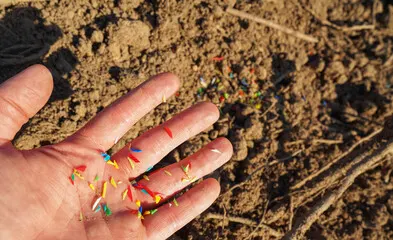

Silent Invaders: How Microplastics Are Penetrating Our Brains, Testicles—and Dinner Plates
Recent research is unveiling a disturbing reality: microplastics aren’t just an environmental issue anymore—they’re a full-blown human health crisis. And yes, they might already be inside your brain.
Let’s Talk About the Tiny Things That Could Be Wrecking Your Health
You’ve heard of microplastics—those invisible plastic shards found in oceans and bottled water. But did you know ,“They’re in your air, your food, and even your reproductive organs.” This isn’t dystopian fiction—it’s our reality.
In 2025, scientists confirmed that microplastics, once dismissed as an environmental nuisance, are now invading human bodies at alarming rates. A ground breaking study from the University of New Mexico detected microplastics in brain tissue at concentrations 50% higher than in other organs, with levels rising sharply since 2016.
Even more disturbingly, these particles have infiltrated testicles, semen, and the food we eat daily. Let’s unpack how these silent invaders are reshaping human health—and what you can do about it.
Microplastics Are Literally in the Air We Breathe
Microplastics aren’t just floating in oceans—they’re in the air you breathe. Household dust samples, synthetic textiles, and tire wear have revealed staggering amounts of these particles, quietly floating around and being inhaled during your Netflix binges or while folding laundry.
Worse? These airborne microplastics don’t just stay in your lungs. They can enter the bloodstream.
And now, for the real shocker…
Researchers estimate the average person inhales or ingests up to 211,000 microplastics annually. Once inside, these particles hitch rides in the bloodstream, lodging in organs like the liver, kidneys, and even the brain.
- Household dust: A significant source, shedding from carpets, furniture, and clothing.
- Tire wear: Responsible for 10% of ocean microplastics, released as cars brake and accelerate.
- Food and water: Bottled water alone may add 90,000 particles yearly to your intake
They Can Breach the Blood-Brain Barrier
The blood-brain barrier, a selective shield protecting our most vital organ, is no match for nanoplastics. Recent studies revealed shard-like plastic fragments—some smaller than viruses—in brain tissue, particularly in dementia patients . How?
- Size matters: Particles under 200 nanometers slip through biological defenses.
- Neurological risks: Researchers suspect microplastics may obstruct capillaries, disrupt neural connections, or seed protein aggregates linked to dementia.
- Mice studies: Real-time imaging shows plastics migrating into brain tissue, raising concerns about long-term cognitive impacts.
“I never imagined it was this high. I don’t need 30 years to know quadrupled levels will be catastrophic,” warns toxicologist Matthew Campen
Your Reproductive Health Might Be at Risk
We’re not trying to alarm you, but the science is getting real.
Men, take note: Microplastics are bioaccumulating in testicles and semen at levels 10x higher in dementia patients. While causation isn’t proven, the implications are dire:
- Fertility concerns: Plastics like BPA and phthalates disrupt hormone function, impairing sperm quality in animal studies.
- Sperm count crisis: Global fertility rates are plummeting, with environmental toxins like microplastics as a suspected driver.
- Placental invasion: Microplastics have been found in placental tissue, potentially affecting foetal development.
As Harvard’s Shruthi Mahalingaiah notes, “We’re just beginning to grasp how these particles interfere with critical reproductive processes”.
Microplastics Are Now in Your Vegetables and Protein Shakes
Don’t think you’re safe just because you eat clean.
Your dinner plate isn’t safe. Microplastics permeate every link in the food chain:
- Seafood: 99% of Oregon samples contained plastics, with shrimp being the worst offenders.
- Plants: Crops absorb nanoplastics through roots and airborne deposition, meaning that fresh spinach or organic kale might already contain plastic particles.
- Processed foods: Tea bags, chewing gum, and silicone-based additives introduce hidden risks. Even protein shakes (including some from Fairlife, according to online chatter)—have been flagged by researchers or consumers for potential microplastic content.
Even chewing gum? Yep. Many brands use plastic polymers as a base.
Even “fresh” produce isn’t immune—studies found microplastics in apples, broccoli, and store-bought meat.
Lifestyle Tweaks That Can Make a Huge Difference
Here’s the good news: you’re not powerless.
Change #1: Ditch processed and packaged foods. These are major contributors to microplastic ingestion. Choose whole, unpackaged, and organic foods whenever possible.
Change #2: Upgrade your indoor air quality. Use HEPA filters, vacuum regularly with high-efficiency filters, and dust often (with a damp cloth, not just dry wipes).
Change #3: Filter smarter: Use NSF-certified water filters and washing machine filters to trap microfibers.
Change #4 Mind your diet: Rinse produce, reduce processed foods, and choose loose-leaf tea over plastic tea bags.
You can’t eliminate microplastics, but you can minimize exposure.
Bonus tip: Store your food in glass or stainless steel instead of plastic containers. Your leftovers (and your body) will thank you.
Related:
The Microplastic Crisis Is Just Beginning
What we know today is probably just scratching the surface. Microplastics are a 21st-century health mystery in progress, and the more we study them, the more alarming the results.
Regulations are lagging behind science, and public awareness is only just catching up.
But you can be ahead of the curve by being mindful and making smarter choices now.
The Road Ahead: What Scientists Are Still Discovering
Critical gaps remain:
- Health impacts: Do microplastics directly cause dementia or infertility, or are they bystanders?
- Policy lag: While the EU banned glitter and microbeads, global plastic production continues unabated.
- Innovation needs: From biodegradable alternatives to advanced detection tech, solutions are urgent.
Final Thoughts: Small Particles, Big Problems
We can’t see microplastics. But they might be reshaping our health in major ways.
The more you know, the more you can act. So share this article, start a conversation, and be part of the solution.
Because the battle against microplastics isn’t just environmental anymore—it’s personal.
By advocating for stricter regulations (like the UN’s pending plastic treaty) and adopting mindful habits, we can curb this crisis. As Campen starkly puts it: “No one says, ‘I’m cool with plastic in my brain’”.
The time to act is now—before the invaders claim more ground.
Your Questions, Answered
Q: Can microplastics really enter the brain?
Yes, new studies confirm they can breach the blood-brain barrier and may cause neurological harm.
Q: Are there microplastics in food?
Absolutely. They’re in vegetables, seafood, and even processed snacks. Airborne plastics settle on crops and packaging materials.
Q: What about Fairlife protein shakes?
While not officially confirmed, consumer concerns highlight possible contamination. The safest route is minimizing intake of overly packaged goods.
Q: Is chewing gum full of plastic?
Many brands use synthetic rubber (a plastic polymer) as a base. Check the label or opt for natural alternatives.
Q: How can I reduce exposure at home?
Avoid processed food, improve ventilation, clean often, and use non-plastic storage.
Q: How can I reduce my microplastic exposure?
Limit processed food, use glass or stainless steel containers, improve indoor air quality, and avoid plastic-heavy consumer goods.
Q: How do microplastics get into food?
They’re airborne, absorbed by plants, and present in packaging materials. They’re also found in items like tea bags and processed foods.





Hey everyone! Just checked out keo188bet. Looks like a solid place to get your bets in. Good odds, easy to navigate, and they seem to have a decent range of sports. Might be my new go-to!
Heard some buzz about aa888br, so I’m checking it out. Seems promising! Fingers crossed for some good times and even better wins. Take a look aa888br
Alright, checked out hz888, and gotta say, it’s…okay. Nothing groundbreaking, but not terrible either. Could use some improvement, but it’s functional. See for yourself: hz888
Trying my luck at WinPH777Login! So far, so good. The sign-up bonuses are pretty sweet. Good luck to everyone playing! winph777login