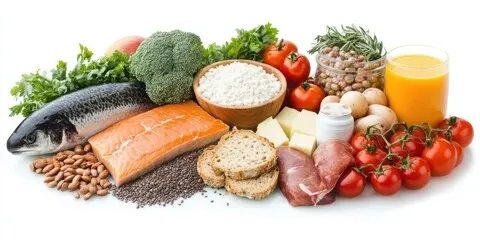

Protein Panic: Are You Eating the Right Amount—Or Just Falling for the Hype?
Walk down any grocery store aisle today, and you’ll see it — protein everywhere. Protein bread, protein chips, protein water (yes, that’s a thing now). It’s like we’ve collectively decided that protein is the superhero of the nutrient world—and if you’re not getting enough, you’re failing at life.
Sometime it even feels like someone sprinkled whey powder on the entire food industry. In 2024, 61% of Americans upped their protein intake, driven by social media trends and influencer endorsements.
But here’s the million-dollar question:
Are we actually protein deficient, or have we just fallen for a brilliant marketing ploy?
Let’s unravel the protein puzzle—without the hype, just facts.
🔺 The Protein Panic: How Did We Get Here?
Protein was once just a macronutrient. Now it’s a marketing strategy.
Flashback to the 90s: Fat was the enemy. In the 2000s, carbs got the axe. Now, in the 2020s? Protein reigns supreme.
Thanks to the rise of:
- Keto and Paleo diets
- Gym culture & #fitspo Instagrammers
- Supplement brands with influencer mega-budgets
- A post-COVID health obsession
According to NielsenIQ, U.S. grocery shelves saw a 43% surge in “high-protein” product launches from 2020 to 2024. Why? Because it sells.
Americans associate protein with weight loss, muscle gain, and vitality. Slap “15g protein!” on a cookie and boom—health halo activated.
Cargill’s 2025 report reveals 75% of consumers prioritize animal protein in dinners, while Gen Z fuels on portable bars and shakes. Fitness influencers and food giants capitalize on fear—“Are you getting enough?”—while studies link excessive animal protein to heart disease.
Even water now wears a protein label, proving marketing’s grip on our plates. Now, even plant-based brands are racing to out-protein each other.
According to a report by Mintel, between 2013 and 2023, the number of new high-protein products on shelves more than tripled globally.
🤯 So, How Much Protein Do You Actually Need?
If you’re confused by conflicting headlines—”You’re not eating enough protein!” vs. “Too much protein can damage your kidneys!”—you’re not alone.
Let’s break it down:
🧠 The Science Says:
According to the Recommended Dietary Allowance (RDA):
- Sedentary adult: ~0.8 grams per kg of body weight
- Active adults & athletes: 1.2 – 2.0 grams per kg, depending on intensity
- Older adults: 1.0 – 1.2 grams per kg to prevent muscle loss
So, for a 70 kg (154 lb) person:
- RDA = ~56g protein/day
- Active needs = 84–140g/day
The truth? Most overconsume. The CDC notes average intake is nearly double the RDA, risking kidney strain and nutrient imbalances.
Translation? You don’t need to be choking down three protein bars a day if you’re not training like a bodybuilder.
⚖️ Under vs. Over: Signs Your Protein Intake Is Off
🔻 Not Enough Protein:
- Brittle nails, hair thinning
- Muscle loss or poor recovery
- Constant hunger or sugar cravings
- Frequent illnesses (weakened immunity)
🔺 Too Much Protein:
- Digestive issues (bloating, constipation)
- Bad breath (hello, keto breath!)
- Dehydration or increased thirst
- Potential kidney strain (if predisposed)
A 2023 Harvard study highlighted that over 70% of healthy adults surveyed were consuming more than 1.6g/kg daily—mostly from processed protein foods, not whole sources. That’s not just overkill—it’s poor quality too.
💥 6 Protein Myths That Need to Die Already
1. You need protein immediately after every workout
Not unless you’re a pro athlete. Your body absorbs and uses protein throughout the day. Chill.
2. More protein = more muscle
Beyond 1.6g/kg, gains plateau. A meta-analysis found only ~0.6kg extra muscle over 12 weeks. It should only be paired with resistance training. Otherwise, it’s just expensive pee.
3. Plant proteins aren’t complete
They are when combined. Think rice + beans, hummus + whole wheat pita Quinoa, soy, and chia offer all essential amino acids.
4. You can’t overdo protein
You can. Especially from isolates, powders, and hyper-processed snacks. But chronic excess strains kidneys and may increase heart disease risk.
5. Protein bars are healthy
Many are candy bars in disguise—packed with sugar alcohols, artificial sweeteners, and preservatives.
6. Protein shakes are essential :
Whole foods like lentils, eggs, and Greek yogurt often outperform processed shakes
🛒 Protein Products: Health Food or Hype?
The high-protein label has become the new “gluten-free.” In other words—a health halo. But not all that glitters is gold.
Beware of “health-washing”, Such as:
- One popular “high-protein” granola has 12g of protein… and 18g of sugar.
- “Protein pasta” may only have 2g more protein than regular pasta—but costs twice as much.
- Hidden additives: Protein bars often pack sugar alcohols (like erythritol) causing bloating .
- Pricing premiums: A protein-infused muffin costs 2–3x more than regular.
- Fibre overload: Some pastas cram 16g fibre per serving, overwhelming digestion .
Food brands know protein sells. A Nielsen report found that shoppers are 47% more likely to buy a product with “high-protein” on the label—even if they don’t understand the actual benefit.
Smart swaps: Opt for minimally processed options like roasted chickpeas or cottage cheese over “protein” candy.
🍳 The Smart Way to Get Protein—Without the Panic
You don’t need powders, bars, or $15 protein smoothies to meet your needs. Whole foods work just fine.
🥩 Quality Protein Sources:
- Eggs
- Greek yogurt
- Lentils, chickpeas, beans
- Tofu, tempeh
- Chicken breast, lean beef
- Quinoa, nuts, seeds
🧠 Real-World Daily Sample (For a 60–70g Target):
- Breakfast: Scrambled eggs + whole grain toast (18g)
- Lunch: Grilled chicken salad w/ chickpeas (25g)
- Snack: Greek yogurt + almonds (12g)
- Dinner: Stir-fry with tofu & quinoa (20g)
Balance macros: Pair protein with fibre (veggies) and healthy fats (avocado) to slow digestion and stabilize energy. Boom. You’re done. No chalky shakes needed.
🧭 Final Takeaway: Balance Over Buzzwords
Listen, we get it. Protein is important. But let’s stop treating it like the holy grail of health. The obsession is less about actual nutrition—and more about marketing, convenience, and diet culture.
Before tossing another $5 protein cookie in your cart, ask:
“Is this really helping my health—or just capitalizing on my fear of not doing enough?”
You don’t need more protein. As Harvard Health notes, “Think of the protein package: nutrients matter more than grams”.
To Conclude:
- Most overconsume protein; stick to 0.36–0.8g/pound.
- Plant proteins are complete and kidney-friendly.
- Avoid ultra-processed “protein” snacks—opt for whole foods.
- Listen to your body: Bloating or fatigue signals imbalance.
Your body thrives on balance, not extremes.
Overall, you need better nutrition, better context, and less panic.
FAQ’s
Q: What’s the biggest mistake people make with protein?
A: Thinking more is always better. Balance and source quality matter more than quantity.
Q: Can too much protein harm kidneys?
A: In healthy individuals, moderate overconsumption isn’t dangerous, but high levels long-term may stress kidney function—especially if dehydrated.
Q: Is plant protein enough for athletes?
A: Yes—with the right planning. Athletes can thrive on plant-based proteins with variety and volume.
Q: Should kids and teens eat high-protein snacks?
A: Whole food sources are best. Most kids get enough protein without supplements or enhanced foods.
Q: Is protein timing important?
A: For the average person, no. Total daily intake matters more than exact timing.





Heard about bn55com from a friend, checking it out now. Hope it’s as good as they say! Definitely clicking this bn55com link to see what all the fuss is about.
kuvipvin has a pretty slick interface. Loads fast, and everything’s easy to find. Good range of betting options as well. Nice solid overall experience so far. Check it out: kuvipvin
777win97 is a gem I recently discovered. Nice and clean site, loads of options for game types. So, if you are looking for a new place to try, click this link 777win97!
Apostascaixa… it’s interesting. Their focus is on bingo, which is a nice change from all the slots-heavy sites. If you like bingo, it might be worth checking out. I found it very different than the others! apostascaixa
Been playing on km88ph for a while now. Pretty decent. Solid selection of games. Give it a try. km88ph
OK, I gotta say, okjl44 caught my attention. Games are running smoothly and the overall experience is good so far! okjl44
Yo, what’s up with okjlactivity? Heard some buzz, checked em out. Seemed legit. Anyone else tried playing here? Let me know! okjlactivity
Got my eye on these Playtime Apps. Seems like an easy way to kill some time and maybe win a little something. Check out their app selection here: playtime apps
Yo, VF555casino is legit! I was kinda skeptical at first, but man, the games are smooth and they actually pay out. Give vf555casino a shot, you might be surprised.
Alright, listen up. X88win is my go-to when I’m feeling lucky. Decent selection of games, and the bonuses ain’t bad either. Check out x88win if you’re looking for a new spot to play.