
Cashews vs. Almonds vs. Walnut: The Underrated Supernut We’ve All Ignored?
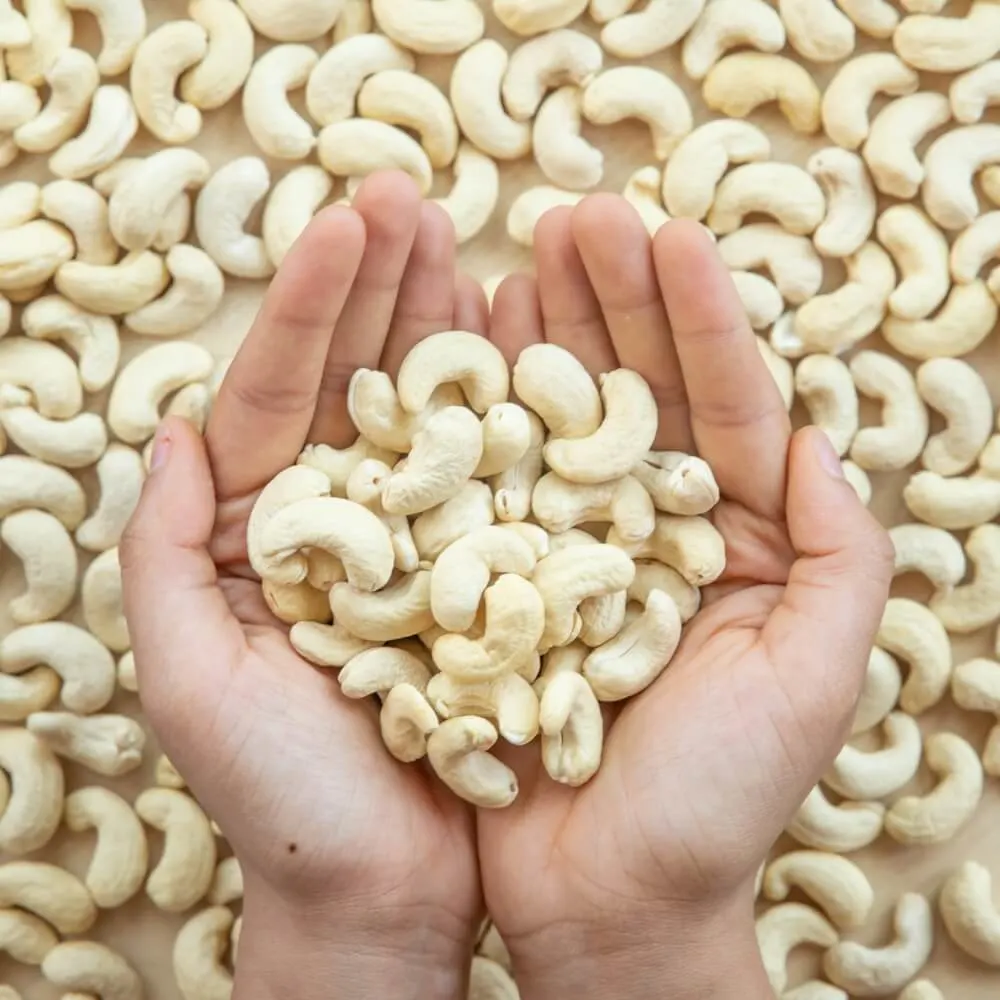
We all love a handful of almonds or walnuts in our trail mix. But what about their creamier cousin—the cashew?
Cashews are often the underdog in the nut world, but recent research suggests they may deserve a more regular spot in your diet. They’re not just tasty—they’re nutrient-dense and offer unique health perks that rival even the trendiest nuts.
So, what makes cashews so special? And how do they stack up against better-known options like almonds or walnuts? Let’s break it down.
The Three Jugglers: Brain ,Mood and Cashew
Cashews contain an impressive amount of magnesium and tryptophan, a precursor to serotonin, which is known to help regulate mood and support cognitive function.
In fact, magnesium plays a key role in more than 300 enzymatic reactions in the body—including those linked to brain performance and neurotransmitter activity. According to the National Institutes of Health (NIH), adequate magnesium intake is essential for brain health and may even help reduce the risk of neurological diseases.
➡ Why it matters: If you’re feeling foggy, anxious, or mentally drained, adding cashews to your snack rotation may give your brain a subtle but meaningful boost.
They’re Heart-Healthy (When Eaten Right)
Don’t let their creamy texture fool you—cashews are loaded with monounsaturated and polyunsaturated fats, the kind that help manage cholesterol and support heart function.
A 2019 study published in the American Journal of Clinical Nutrition found that people who ate cashews regularly experienced modest reductions in total cholesterol and LDL (the “bad” kind).
Plus, cashews have less saturated fat than many people assume—making them a smarter choice compared to other calorie-dense snacks.
A Natural Energy Booster
Cashews provide a mix of protein, healthy fats, and complex carbohydrates—making them a steady source of energy without the sugar crash.
Unlike ultra-processed snack bars, a handful of raw cashews won’t spike your blood sugar and can keep you feeling full longer. That’s great news if you’re managing blood sugar levels or just trying to snack smarter throughout the day.
➡ Try This: Add a few cashews to your morning smoothie for a creamier texture and a sustained energy lift.
Glowing Skin Starts with Copper
One serving of cashews (about 1 ounce or 16–18 nuts) provides nearly 70% of your daily copper needs, which helps with:
- Red blood cell formation
- Collagen synthesis (bye-bye, dull skin)
- Iron absorption
According to Harvard Health, copper also plays a key role in maintaining healthy hair, skin, and connective tissue.
So, before you splurge on another collagen supplement, consider reaching for some cashews instead.
Immune Support You Didn’t See Coming
Cashews are rich in zinc, magnesium, and copper—all of which are crucial for immune function. Zinc, in particular, helps fight off viruses and supports wound healing.
In fact, studies show that zinc deficiency can impair immune responses and increase susceptibility to infection (NIH).
A small handful of cashews daily can contribute significantly to your micronutrient intake—without relying on supplements.
Anti-Inflammatory and Antioxidant Benefits
Cashews contain powerful antioxidants like vitamin E and polyphenols, which help combat oxidative stress—a key factor in chronic diseases like cancer and heart disease.
Compared to heavily salted or roasted varieties, raw or dry-roasted cashews retain more of these protective compounds. So go natural when possible.
How Do Cashews Compare to Almonds and Walnuts?
All nuts offer something unique. Here’s a quick comparison:
| Nutrient | Cashews | Almonds | Walnuts |
|---|---|---|---|
| Magnesium | ⭐ High | Medium | Medium |
| Omega-3 Fats | Low | Low | ⭐ High |
| Copper | ⭐ Very High | Medium | Medium |
| Vitamin E | Low | ⭐ Very High | Low |
| Texture | Creamy | Crunchy | Oily/Rich |
➡ Pro Tip: Cashews are also lower in phytic acid, a compound that can block nutrient absorption. This makes them easier on the gut than some other nuts.
Are you Eating it Right for Maximum Benefit
To get the most from cashews:
- Stick to 1 oz (about 18 nuts) per serving
- Choose raw or dry-roasted varieties with no added oils or salt
- Blend into sauces, smoothies, or turn into homemade nut butter
- Avoid sugary cashew snacks and heavily processed trail mixes
Remember, cashews are calorie-dense—so moderation is key if you’re watching your weight or blood sugar.
Final Thoughts
Cashews might not get the same hype as almonds or walnuts, but they hold their own with impressive mood-boosting minerals, heart-healthy fats, and immunity-enhancing nutrients.
Whether you’re adding them to your low-carb plan or swapping out dairy with cashew-based sauces, these nuts are more than just a tasty treat—they’re a nutritional powerhouse.
✅ Quick Benefits Checklist
- ✔ Boost brain function & mood
- ✔ Improve heart health
- ✔ Provide long-lasting energy
- ✔ Enhance skin & collagen production
- ✔ Strengthen immune defenses
- ✔ Fight inflammation with antioxidants
Looking to upgrade your snacking habits? Give cashews the credit they deserve.
Frequently Asked Questions
Are cashews good for weight loss?
Yes, when eaten in moderation. Cashews are high in protein and healthy fats, which can help you feel full and reduce overeating. Stick to a 1-ounce serving (about 18 nuts) to keep calories in check.
Are roasted or raw cashews healthier?
Raw or dry-roasted cashews without added oils or salt are the healthiest options. They retain more nutrients and antioxidants compared to heavily processed or oil-roasted versions.
Do cashews help with anxiety or mood?
Yes, cashews contain tryptophan and magnesium—both known to support serotonin production, which can help improve mood and reduce anxiety symptoms naturally.
Can people with high cholesterol eat cashews?
Absolutely. Cashews contain heart-healthy unsaturated fats that may help lower LDL (bad) cholesterol and raise HDL (good) cholesterol when part of a balanced diet.
How many cashews can I eat in a day?
One ounce per day (about 16–18 cashews) is considered a healthy serving. This provides key nutrients without excess calories or fat.
Are cashews anti-inflammatory?
Yes. Cashews are rich in antioxidants like vitamin E and polyphenols, which help reduce inflammation and oxidative stress.
Do cashews have more benefits than almonds or walnuts?
Each nut has unique benefits. Cashews are especially high in magnesium and copper, while almonds offer more vitamin E and walnuts have higher omega-3s. Cashews also have less phytic acid, improving nutrient absorption.
⚠️ Disclaimer
The information provided on this website is for general informational and educational purposes only and is not intended as a substitute for professional medical advice, diagnosis, or treatment. Always seek the guidance of a qualified healthcare professional with any questions you may have regarding a medical condition, supplement use, or treatment plan. Never disregard medical advice or delay seeking it because of something you have read here. Use of any information provided is solely at your own risk.